

Safety Netting Company in Bath
For over 30 years, Magnetech Safety Net Systems UK has leveraged its expertise in supplying and installing safety netting systems to protect sites across Bristol, Bath, Taunton, and the wider South West, helping to reduce the risks of working at height.
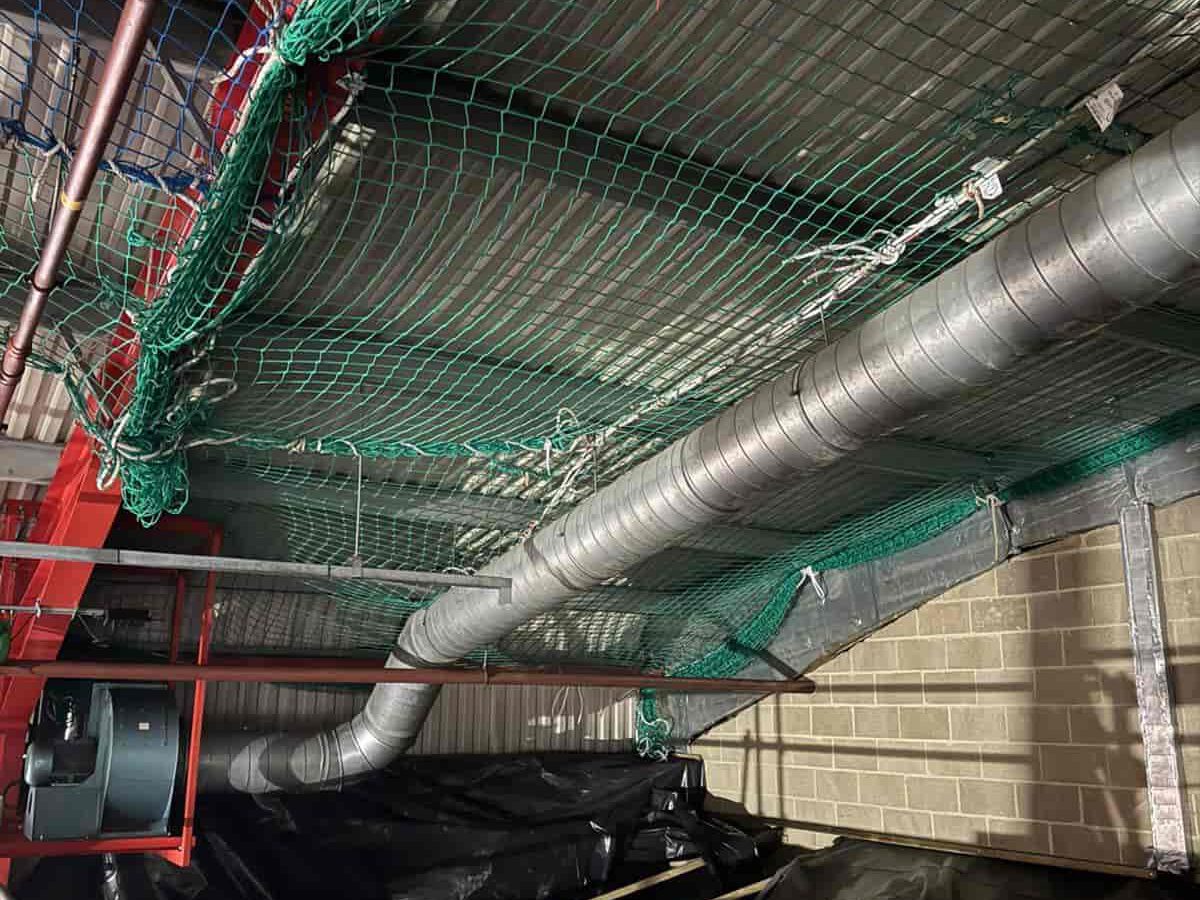
Common Myths About Fall Arrest Safety Netting and Why They’re Costing Contractors
When it comes to construction safety in Bath, many contractors still believe myths about safety netting systems and fall arrest netting that can increase costs and risk. Engaging a professional safety netting company ensures that new build safety netting, commercial safety netting, and all forms of collective fall protection are installed correctly, saving both time and money. Here, we explore the most common misconceptions and explain why trusting qualified experts is critical.
Myth 1: Safety Nets Are Only Needed on High-Rise Buildings
Some contractors assume fall arrest netting is only necessary for skyscrapers or multi-storey commercial projects. In reality, safety netting systems are vital wherever there is a risk of falling from height, including new build safety netting for residential developments and commercial safety netting on warehouses. Misjudging the need for nets can result in injuries, legal complications, and costly project delays.
Myth 2: All Safety Nets Are the Same
A common belief is that one type of net suits every site. However, fall arrest netting comes in multiple specifications, including knotless polypropylene or polyamide nets, varying mesh sizes, and border rope designs. A professional safety netting company in Bath will assess whether new build safety netting, commercial safety netting, or fall arrest netting is required, choosing the correct net type for structural conditions, exposure, and energy absorption standards. Using the wrong net can compromise safety and lead to failed inspections.
Myth 3: Installing Safety Nets is a DIY Task
Attempting to install safety netting systems without trained personnel is risky and often illegal. Only qualified installers can ensure that fall arrest netting, new build safety netting, and commercial safety netting are properly tensioned, anchored, and positioned in line with BS EN 1263-1 standards. Relying on an accredited safety netting company in Bath ensures proper installation and protects contractors from potential liability.
Myth 4: Safety Nets Are Too Expensive
Some contractors avoid fall arrest netting, believing it inflates project costs. In truth, professional safety netting systems reduce overall costs by preventing accidents, avoiding work stoppages, and ensuring compliance with health and safety regulations. Using new build safety netting or commercial safety netting installed by an experienced safety netting company in Bath is an investment that can save substantial sums compared to accident claims or regulatory penalties.
Myth 5: Safety Nets Only Protect Workers from Falling
Another misconception is that safety netting systems only prevent worker falls. High-quality fall arrest netting also protects materials and equipment from dropping, safeguarding personnel below, and reducing damage to property. When using either new build safety netting or commercial safety netting, a professional safety netting company in Bath ensures that nets are positioned to cover both people and materials, maximising site safety.
Myth 6: Once Installed, Nets Don’t Need Regular Checks
Some contractors believe fall arrest netting is a “set and forget” solution. In fact, safety netting systems require routine visual checks, periodic inspections, and an annual assessment by a competent person. This applies to new build safety netting, commercial safety netting, and temporary installations alike. Failure to inspect nets can lead to unexpected failures, project delays, and compliance breaches.
Myth 7: One-Size-Fits-All for New Builds and Commercial Sites
There is no universal net suitable for every type of work. New build safety netting for houses, commercial safety netting for industrial sites, and fall arrest netting for work at height all have unique requirements. A professional safety netting company in Bath will evaluate the project, select the correct net material and mesh size, and ensure safe installation for specific building types. Custom solutions reduce risk and improve efficiency.

Make the Smart Choice for Safety and Cost
Contractors in Bath who work with a professional safety netting company benefit from properly installed safety netting systems, effective fall arrest netting, new build safety netting, and commercial safety netting. This reduces risk, avoids unnecessary costs, and ensures regulatory compliance. Contact Magnetech Safety Net Systems UK today on 01179 645511 or 07831 336444.